Rinjani for Experienced Hikers: Why It’s Still Worth Your Time
Mount Rinjani, the majestic stratovolcano dominating the island of Lombok, Indonesia, is often lauded as a premier trekking destination. While its allure is undeniable for first-time adventurers, a common question arises among seasoned hikers: is Rinjani still worth the effort when you've conquered more demanding peaks? The resounding answer is a definitive yes. Even for those with a passport full of summit stamps, Rinjani offers a unique blend of challenging terrain, breathtaking natural beauty, and profound cultural experiences that continue to captivate and reward experienced trekkers.
Beyond the Summit: What Experienced Hikers Seek
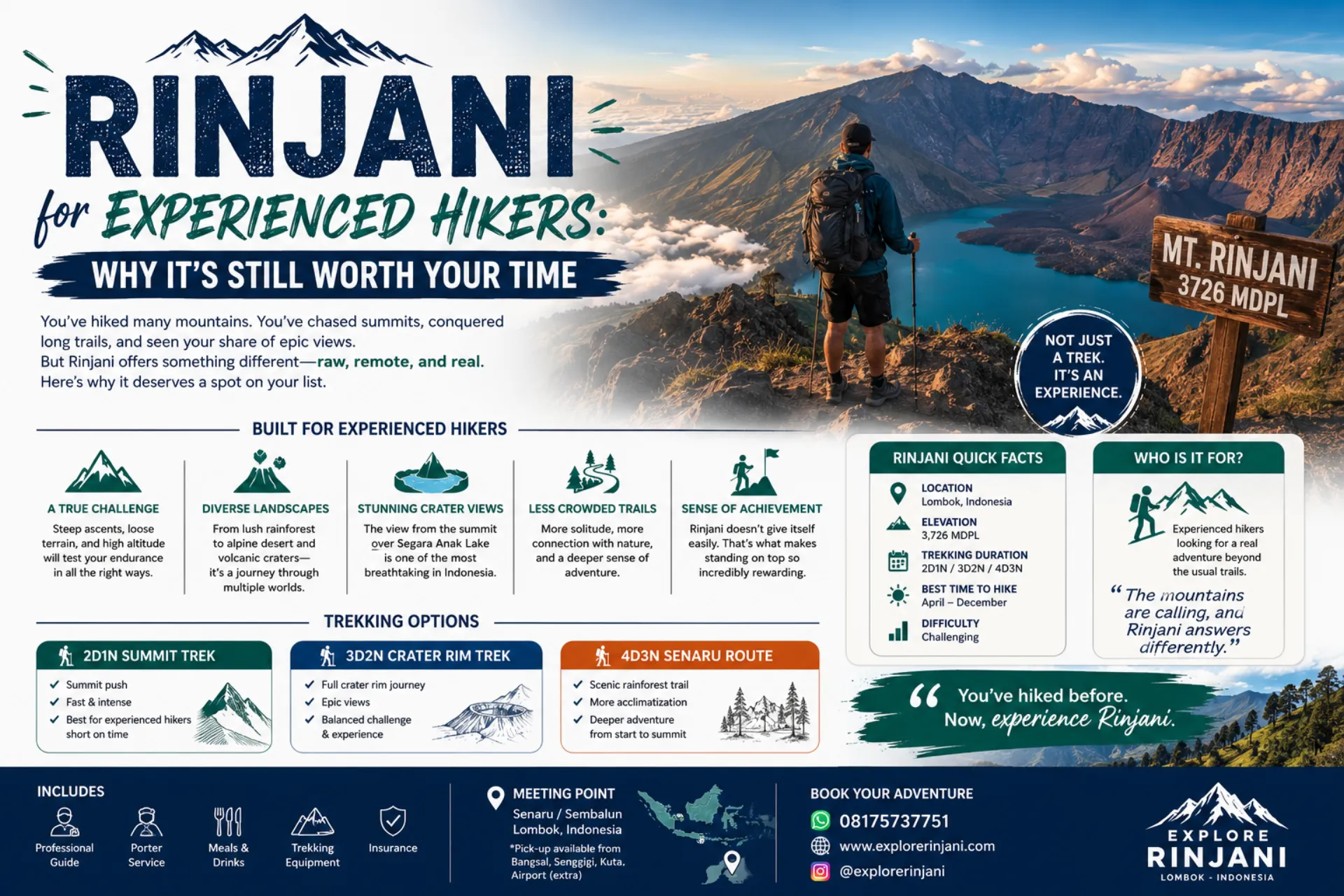
Experienced hikers aren't just chasing altitude; they're seeking a holistic experience. This includes pushing their physical and mental limits, immersing themselves in diverse ecosystems, witnessing unparalleled vistas, and connecting with local cultures. Rinjani, at 3,726 meters (12,221 feet) above sea level, provides all of this in spades. It's not merely about reaching the crater rim or the summit; it's about the journey through its varied landscapes, the quiet contemplation at its caldera lake, and the respectful interaction with the Sasak people who consider the mountain sacred.
The Challenge: A Familiar Friend, With a Twist
While Rinjani's ascent is generally considered moderate to challenging, it's the specific conditions and the sheer scale that can still test experienced hikers. The trails vary significantly, from well-trodden paths to steep, scree-covered slopes, particularly on the final push to the summit. Experienced hikers will appreciate:
- The Altitude Gain: While not Everest, the sustained climb from the trailhead to the summit requires good cardiovascular fitness and acclimatization, a challenge even for the fit.
- Varied Terrain: You'll encounter lush rainforests at the base, transitioning to volcanic grasslands, and finally, the stark, rocky landscape near the summit. This diversity keeps the trek engaging.
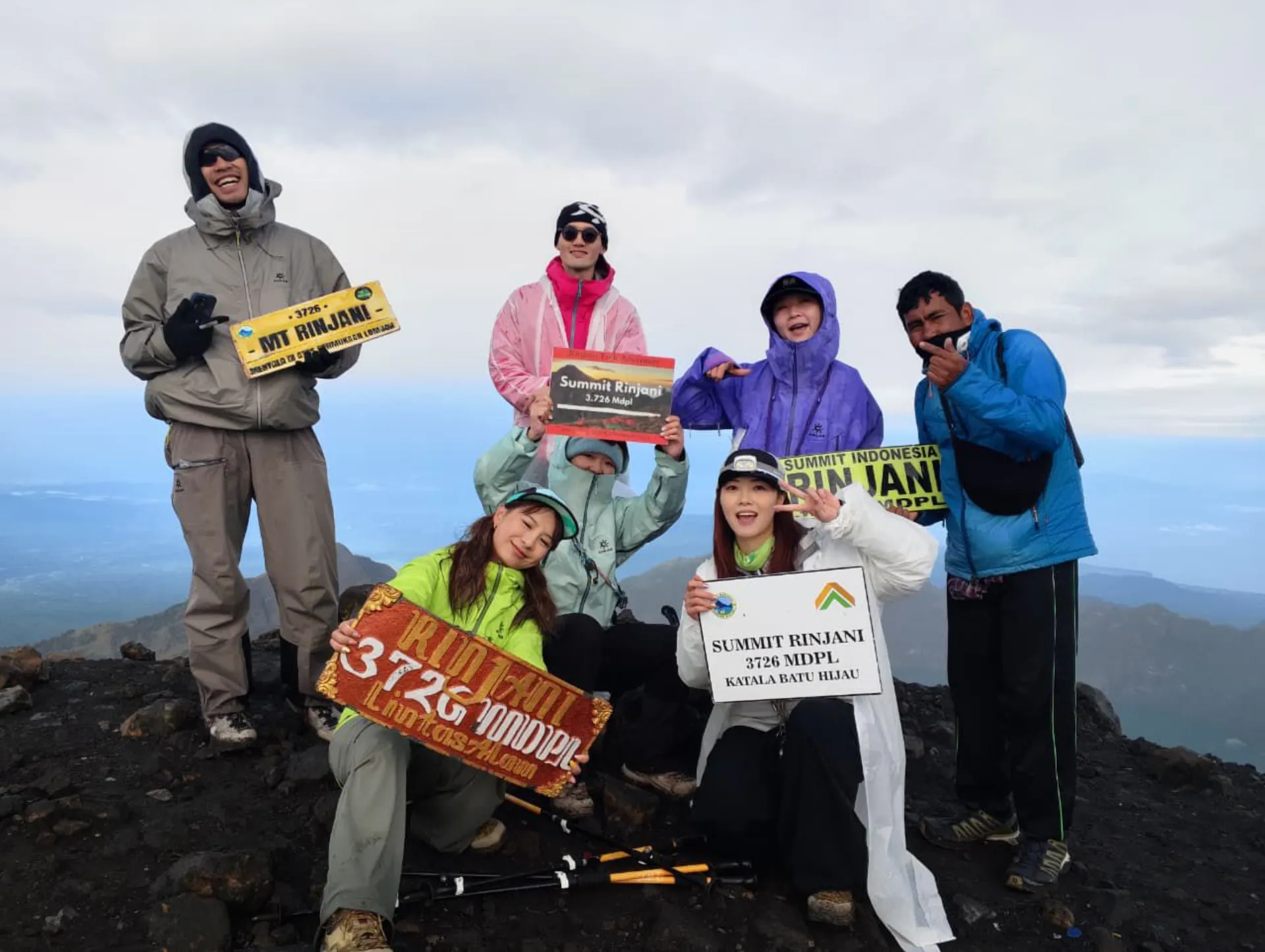
- The Summit Push: The final ascent to the peak is often done in the dark, starting around 2 or 3 AM. This demanding, steep, and often loose scree scramble is a true test of endurance and mental fortitude, even for seasoned mountaineers.
- Weather Extremes: Rinjani can experience unpredictable weather. Sun, rain, fog, and strong winds can all occur within a single trek, requiring adaptability and preparedness that experienced hikers possess.
Unparalleled Natural Beauty: A Visual Feast
The visual rewards on Rinjani are simply spectacular. Even if you've seen stunning mountain scenery before, Rinjani's unique geological features and pristine environment offer something special:
- Segara Anak Lake: This turquoise crater lake, nestled within the caldera, is a breathtaking sight. The presence of a smaller, active volcano (Gunung Barujari) within the lake adds a dramatic and dynamic element. Many experienced hikers find the serenity and beauty of this spot a highlight.
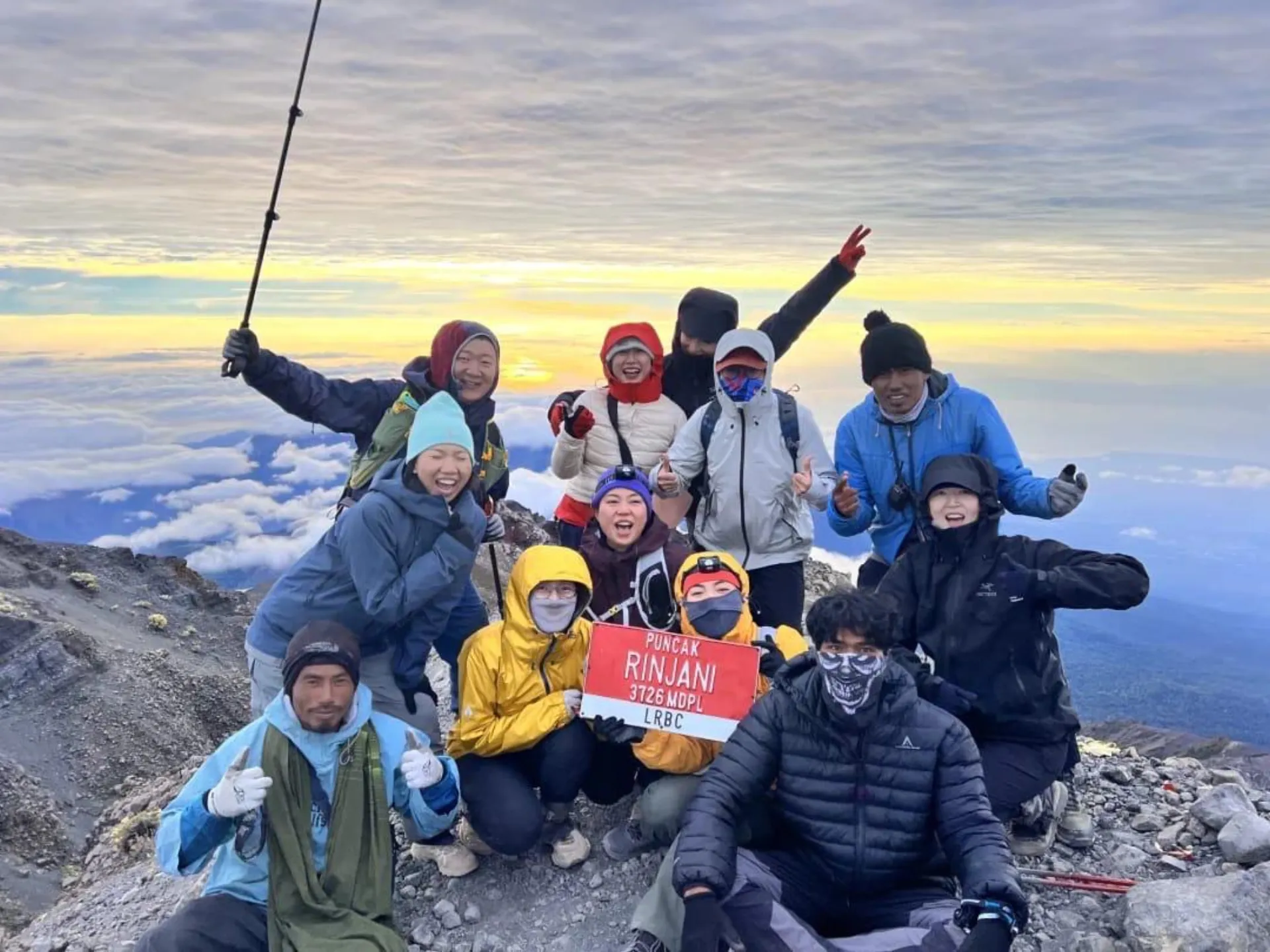
- Sunrise and Sunset Vistas: The views from the crater rim, especially at sunrise, are legendary. Watching the sun paint the sky over the caldera, the surrounding islands, and Mount Tambora on Sumbawa is an experience that never gets old.
- Biodiversity: The lower slopes are home to diverse flora and fauna. While not a wildlife-heavy trek, the transition through different ecological zones is fascinating.
The Cultural Dimension: More Than Just a Hike
Lombok is home to the Sasak people, and Mount Rinjani holds deep spiritual significance for them. For experienced travelers seeking cultural immersion, Rinjani offers opportunities to connect with this aspect:
- Sacred Mountain: The mountain is revered, and trekking is often seen as a pilgrimage. Understanding and respecting local customs is part of the experience.
- Local Guides and Porters: Hiring local guides and porters not only supports the community but also provides invaluable insights into the mountain's lore, medicinal plants, and the Sasak way of life. Experienced hikers often appreciate the deeper understanding gained through these interactions.
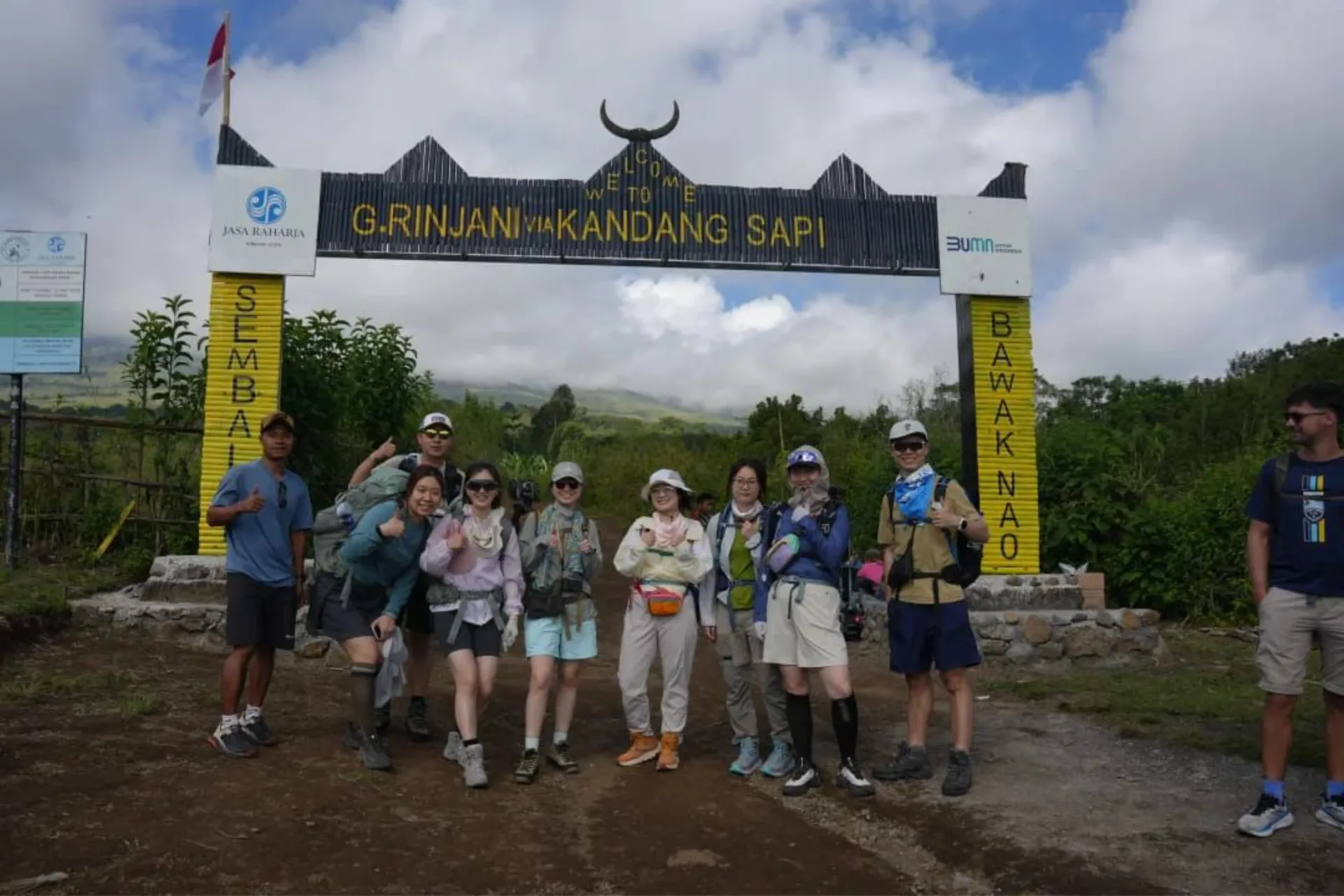
- Villages and Traditions: The villages surrounding Rinjani, such as Sembalun and Senaru, offer glimpses into traditional Sasak life. Spending time before or after the trek in these areas can enrich the overall journey.
Logistical Considerations for the Savvy Trekker
While Rinjani is accessible, experienced hikers will appreciate the nuances of planning a successful trek:
- Trek Durations: Typically, treks range from 2 to 4 days. Experienced hikers might opt for longer, more challenging routes or combine different trails for a more comprehensive exploration.
- Best Months: The dry season, from April to November, is generally the best time to trek. Experienced hikers will know to book in advance during peak season.
- Essential Gear: Beyond standard hiking gear, consider a good headlamp (crucial for summit night), sturdy trekking poles (essential for descents), a warm sleeping bag, waterproofs, and sun protection. Experienced hikers often have their own preferred high-quality gear.
- Choosing a Tour Operator: While independent trekking is possible in some areas, using a reputable local tour operator is highly recommended for safety, logistics, and cultural respect. Experienced hikers will research operators thoroughly, looking for those with strong safety records and ethical practices.
Expert Tips for an Enhanced Rinjani Experience
For those returning to Rinjani or tackling it for the first time with a seasoned hiker's mindset, consider these expert recommendations:
- Acclimatize Properly: Even if you're fit, spending a day or two in Lombok before the trek can help with altitude adjustment.
- Hydration and Nutrition: Stay well-hydrated and consume energy-rich foods. Experienced hikers know the importance of fueling their bodies for sustained effort.
- Pace Yourself: Listen to your body. The summit push is a marathon, not a sprint.
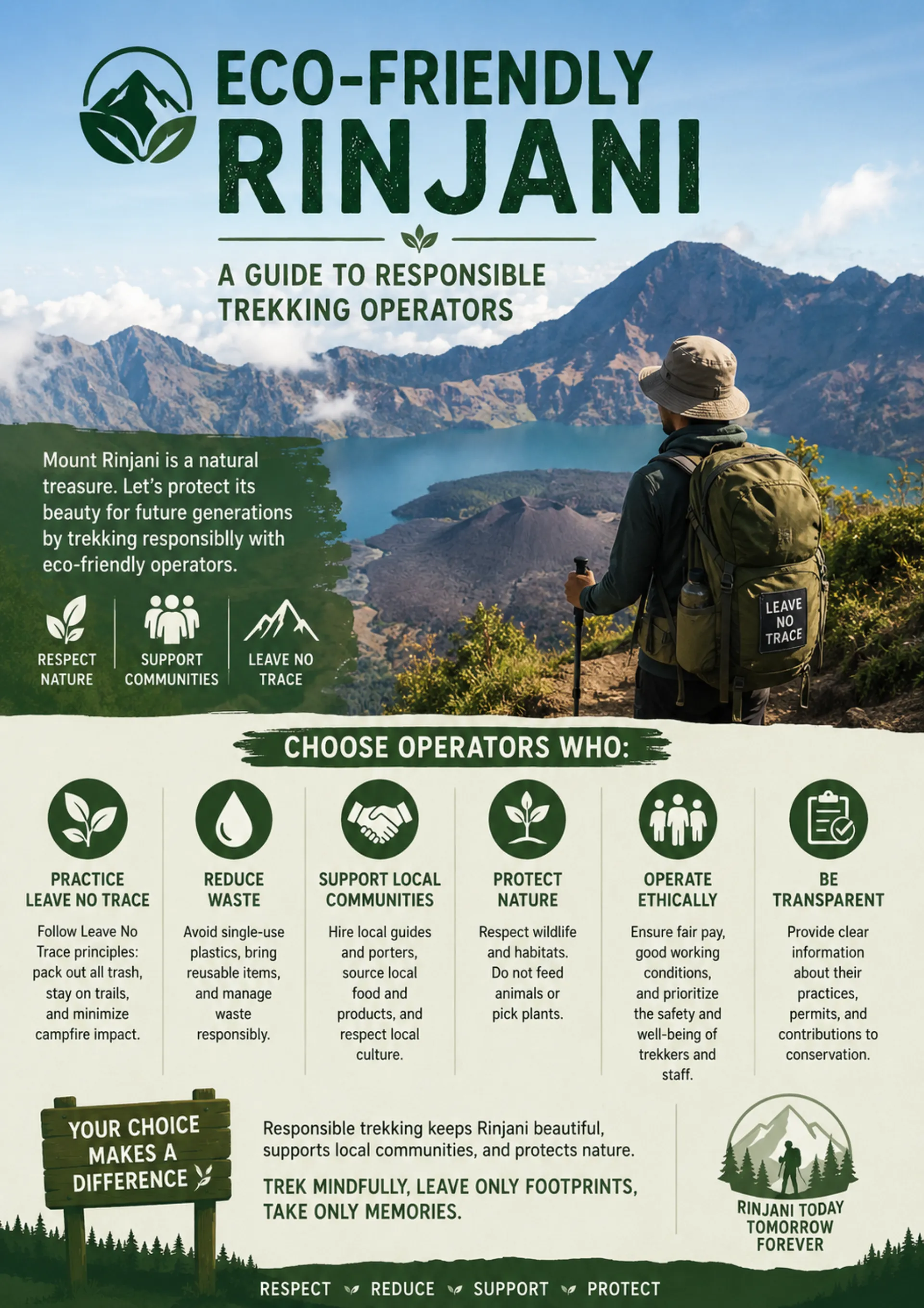
- Respect the Mountain: Rinjani is a sacred place. Pack out everything you pack in, avoid disturbing the environment, and show respect for local customs.
- Consider Off-Peak Times: If possible, trekking during the shoulder seasons (e.g., late April, May, or September, October) can offer fewer crowds and potentially more stable weather.
- Extend Your Stay: Combine your Rinjani trek with exploring other parts of Lombok, such as the Gili Islands or the southern coast, for a more complete Indonesian adventure.
Conclusion: Rinjani's Enduring Appeal
Mount Rinjani is more than just a mountain; it's an experience that resonates deeply. For experienced hikers, it offers a chance to reconnect with the fundamentals of trekking – endurance, respect for nature, and the profound satisfaction of a challenging ascent. The unique combination of its geological grandeur, spiritual significance, and the warmth of its people ensures that Rinjani remains a compelling destination, a true jewel in the crown of Indonesian adventure travel, even for those who have seen it all.
Ready to experience the magic of Mount Rinjani for yourself? Explore our recommended Rinjani trekking packages and start planning your unforgettable adventure today!