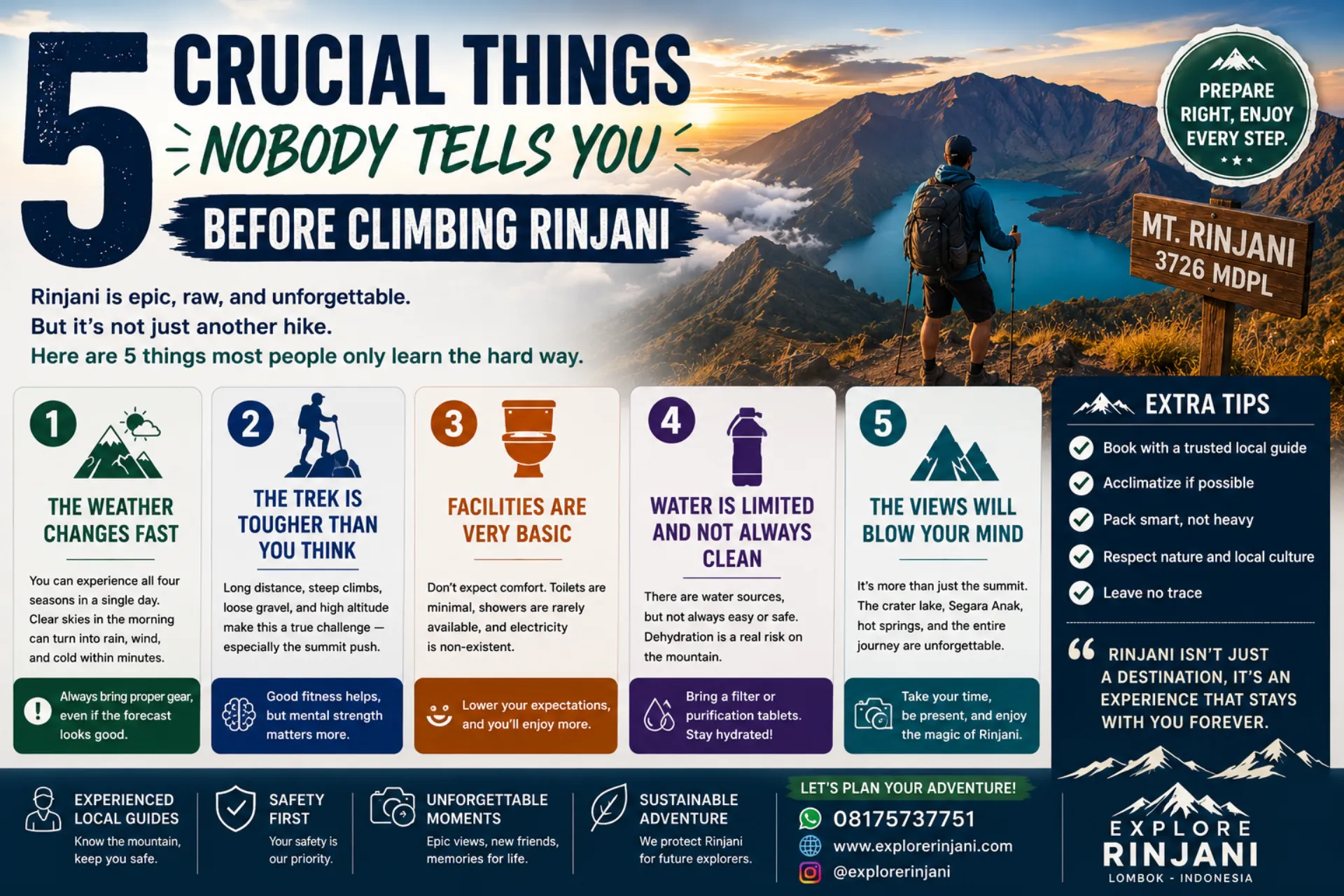
Rinjani Secrets: 5 Crucial Things You MUST Know
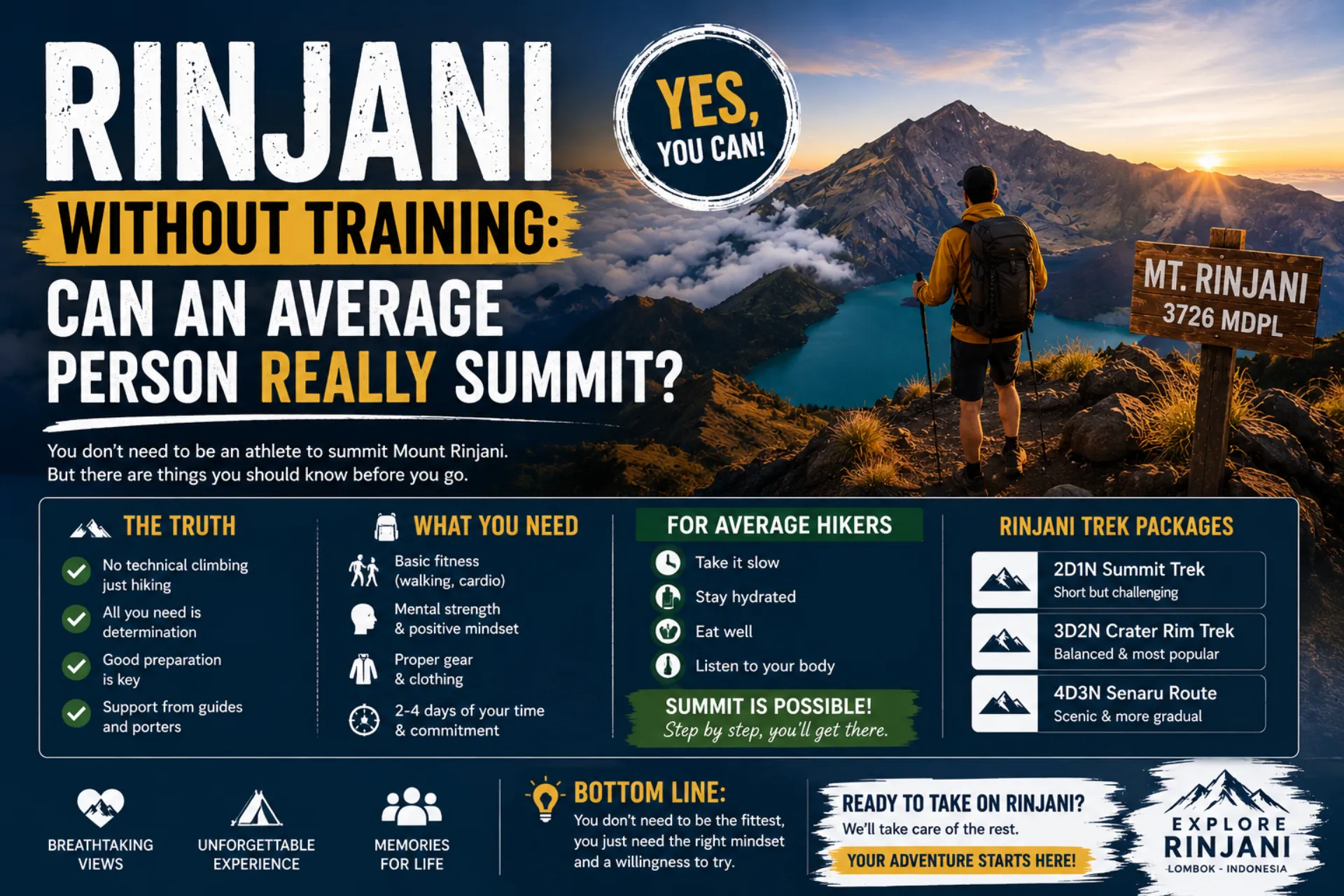
Mount Rinjani, a colossal stratovolcano on Lombok Island, Indonesia, beckons trekkers with its dramatic caldera, turquoise crater lake (Segara Anak), and breathtaking summit views. Standing at a majestic 3,726 meters (12,221 feet) above sea level, it's one of Southeast Asia's most sought-after trekking destinations. While many articles detail the routes and gear, there are certain realities that often catch even the most prepared climbers by surprise. As your expert guide to Rinjani, I'm here to unveil the 5 crucial things nobody tells you before you embark on this unforgettable adventure.
1. Altitude Sickness is a Real Threat, Even for Experienced Trekkers
It's easy to underestimate Rinjani's altitude. While not as high as Everest, reaching the summit at 3,726 meters can still trigger altitude sickness, also known as Acute Mountain Sickness (AMS). Symptoms can range from headaches and nausea to dizziness and fatigue. Many trekkers, even those who have climbed higher mountains, have been humbled by Rinjani's altitude.
Expert Tip: Acclimatization is key. Opt for a longer trek (3-4 days) over a shorter one (2 days) if possible. This allows your body more time to adjust. Stay hydrated, avoid alcohol and caffeine, and consider consulting your doctor about altitude sickness medication like Diamox. Listen to your body; if symptoms worsen, descend. Don't push yourself to the summit if you're feeling unwell.
2. The "Summit Push" is More Grueling Than You Imagine
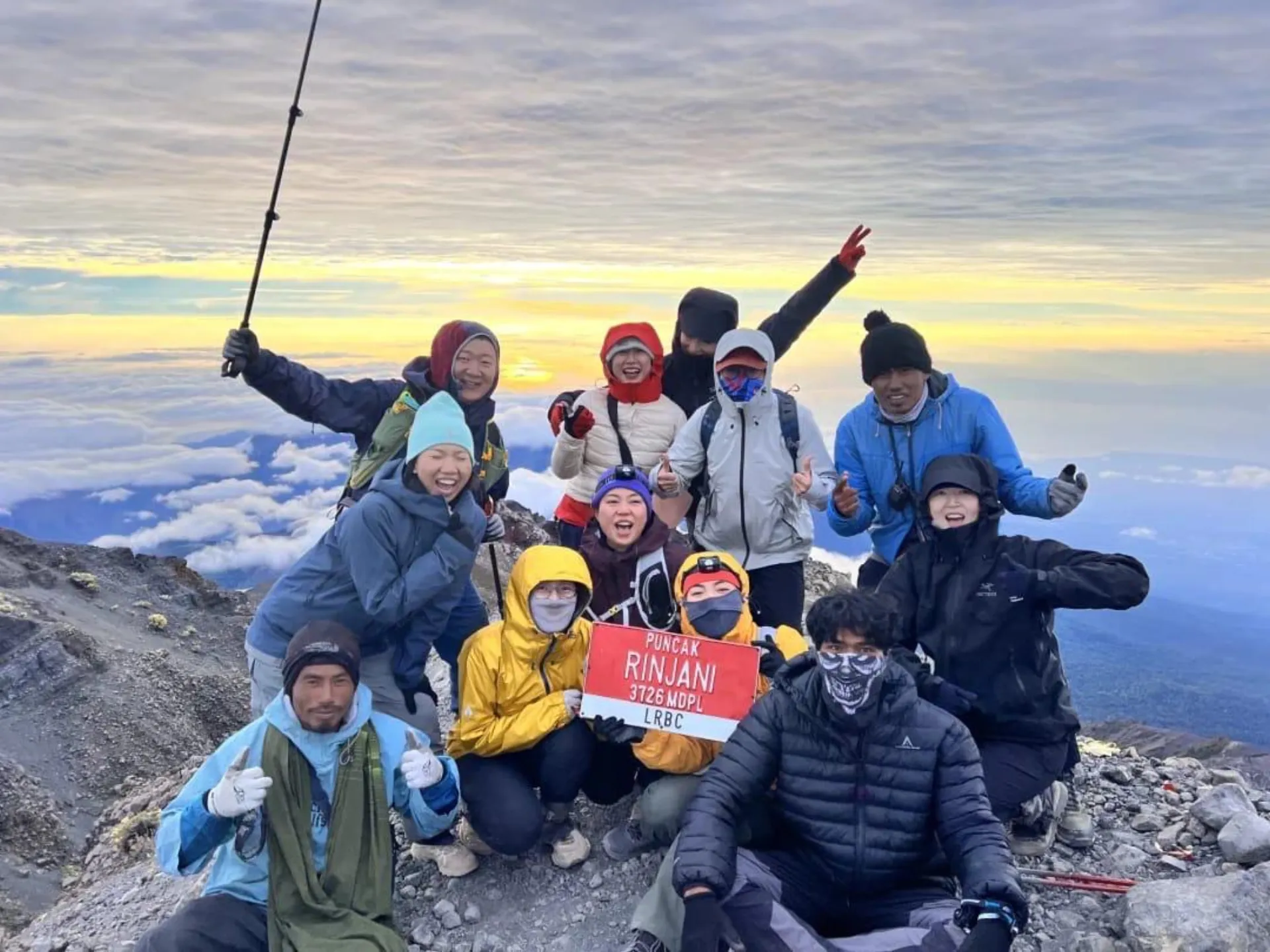
The final ascent to Rinjani's summit is notoriously challenging. It typically takes place in the dead of night, starting around 2 or 3 AM, to reach the peak for sunrise. The terrain is steep, loose scree and volcanic ash make every step a battle, and the cold can be biting. Many underestimate the physical and mental fortitude required for this final push.
What to Expect: You'll be trekking for 3-5 hours uphill in the dark, often with a headlamp as your only light source. The path is narrow in places, and you’ll be navigating through loose scree that can slide underfoot. The air is thin, and every breath feels like an effort. It’s a true test of endurance.
Crucial Advice: Train rigorously before your trek, focusing on cardiovascular fitness and leg strength. Practice hiking on inclines and uneven terrain. Mentally prepare yourself for the discomfort; focus on reaching the next marker rather than the daunting summit. Trekking poles are invaluable for stability and reducing strain on your knees.
3. The Weather Can Change Drastically and Without Warning
Lombok's climate, while generally tropical, is highly unpredictable on Rinjani. Even during the dry season (typically April to November), you can experience sudden downpours, strong winds, and a significant drop in temperature, especially at higher altitudes. Fog can roll in quickly, obscuring visibility and making navigation difficult.
Why it Matters: Unexpected rain can make trails slippery and dangerous, and hypothermia is a genuine risk if you’re not adequately prepared. Strong winds can make the summit push feel even more perilous. Fog can disorient you, and on rare occasions, severe weather can even lead to trek cancellations for safety reasons.
Essential Gear: Pack waterproof and windproof outer layers (jacket and pants), thermal base layers, a warm hat, and gloves. A reliable waterproof backpack cover is a must. Even if the forecast is clear, be prepared for all conditions. Reputable tour operators will provide tents and sleeping bags, but personal layers are your responsibility.
4. "Basic" Facilities Mean Truly Basic
When tour operators mention "basic facilities" or "camping," it’s important to understand what that entails on Rinjani. You will be camping, and while some campsites offer a communal eating tent, don't expect flush toilets or hot showers. The toilets are typically squat toilets with limited water, and "showers" might be a bucket of cold water.
The Reality: Hygiene can be a challenge. You'll be living in close proximity to nature, which means insects and limited opportunities for a deep clean. This is part of the adventure, but it’s good to be mentally prepared for it.
What to Pack for Comfort: Bring plenty of wet wipes, hand sanitizer, and quick-drying travel towels. A small, lightweight sleeping bag liner can add an extra layer of comfort and warmth inside your provided sleeping bag. Consider bringing a headlamp with a red light setting to preserve night vision and minimize disturbance to others.
5. The "Post-Trek Soreness" is Intense and Lasts Longer Than You Think
You've conquered Rinjani! Congratulations! But be warned: the muscle soreness that follows is often far more intense and prolonged than anticipated. Your legs, in particular, will feel like they've been through a marathon (or several). Descending steep, loose terrain is incredibly taxing on your quadriceps and knees.
What to Expect: For 2-3 days after your trek, simple actions like walking down stairs or getting out of a chair can be a challenge. Your entire body will likely feel fatigued.
Recovery Tips: Stay hydrated in the days following your trek. Gentle stretching can help. Consider getting a massage in Lombok. Most importantly, allow yourself ample rest and recovery time before your next activity or flight. Don't plan strenuous activities for at least 48-72 hours post-trek. Listen to your body; it’s earned a break!
Embarking on Your Rinjani Journey
Mount Rinjani is an awe-inspiring natural wonder that offers an unparalleled trekking experience. By understanding these often-unspoken truths, you can approach your adventure with realistic expectations, better preparation, and a greater appreciation for the journey. The challenges are part of what makes reaching the summit so rewarding. Remember to choose a reputable tour operator, pack wisely, and most importantly, enjoy the incredible beauty of Rinjani.
Ready to take on Rinjani? Start planning your trek today and experience the magic of Lombok's majestic volcano!