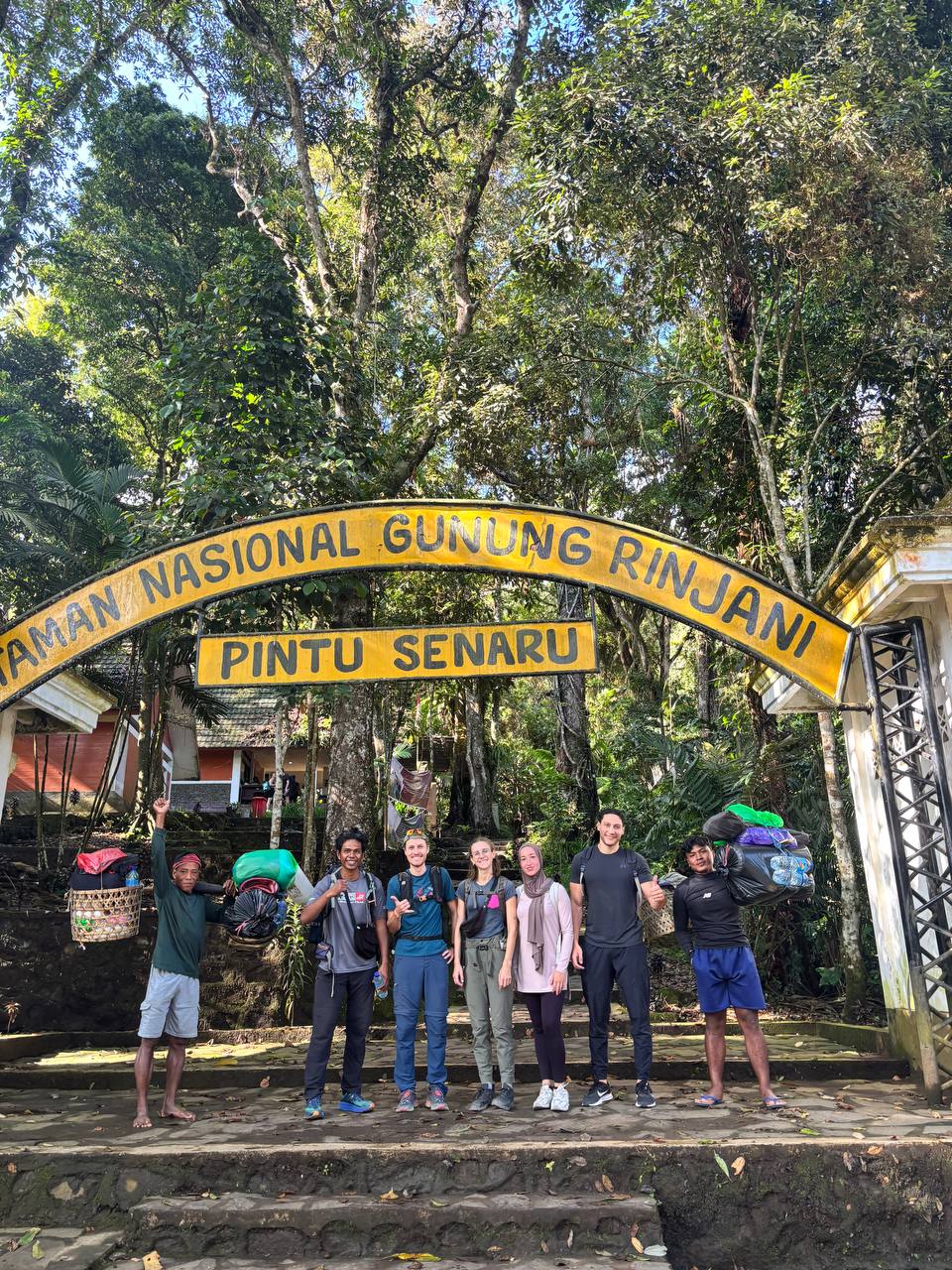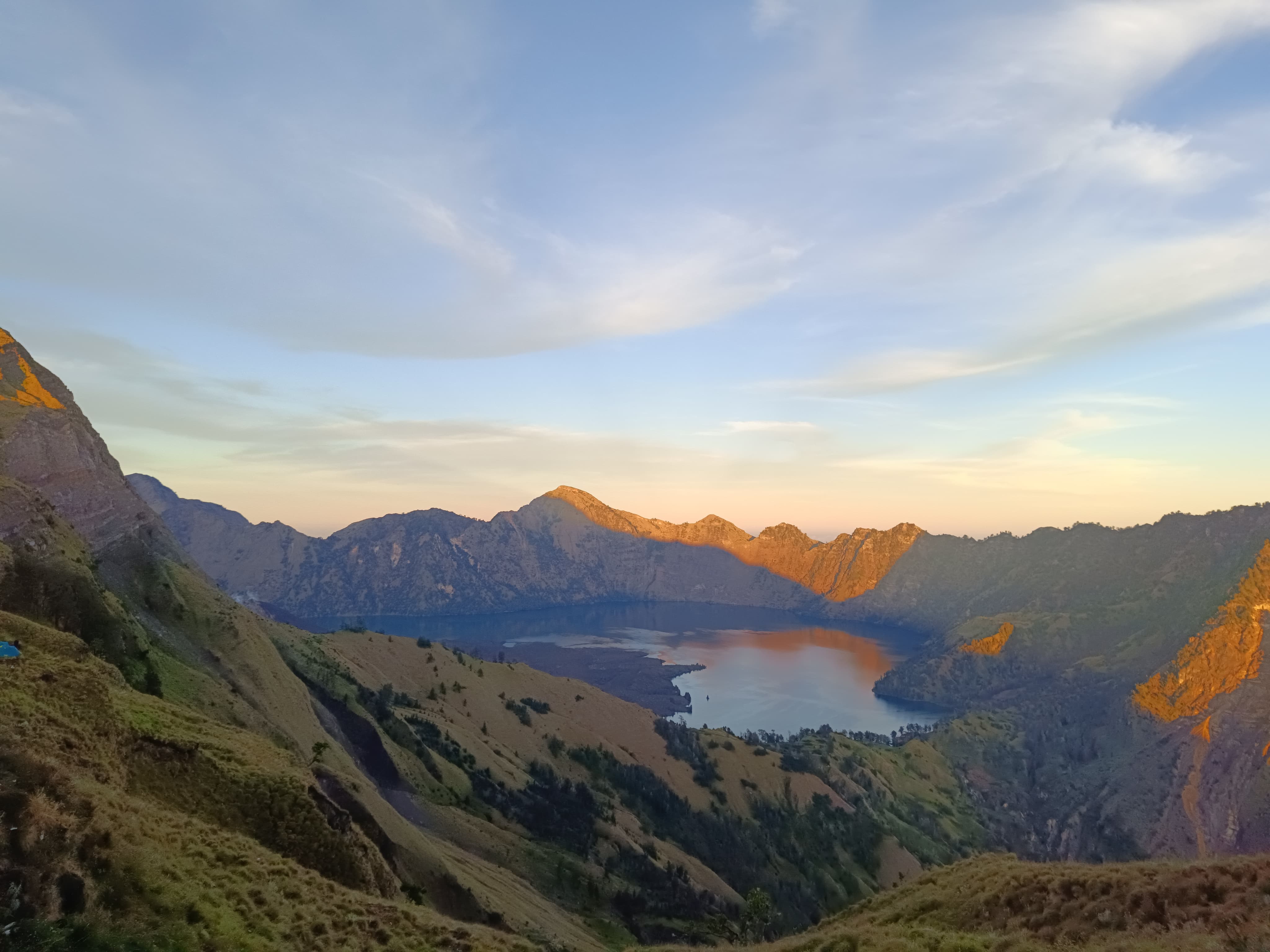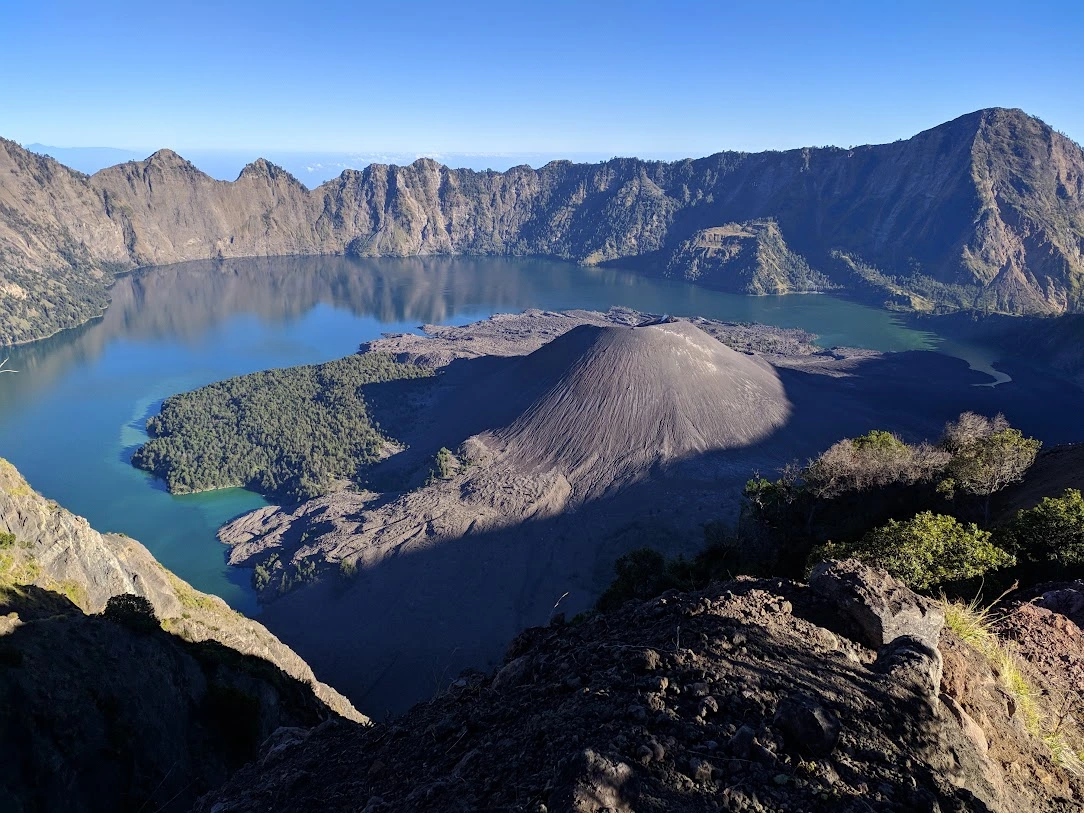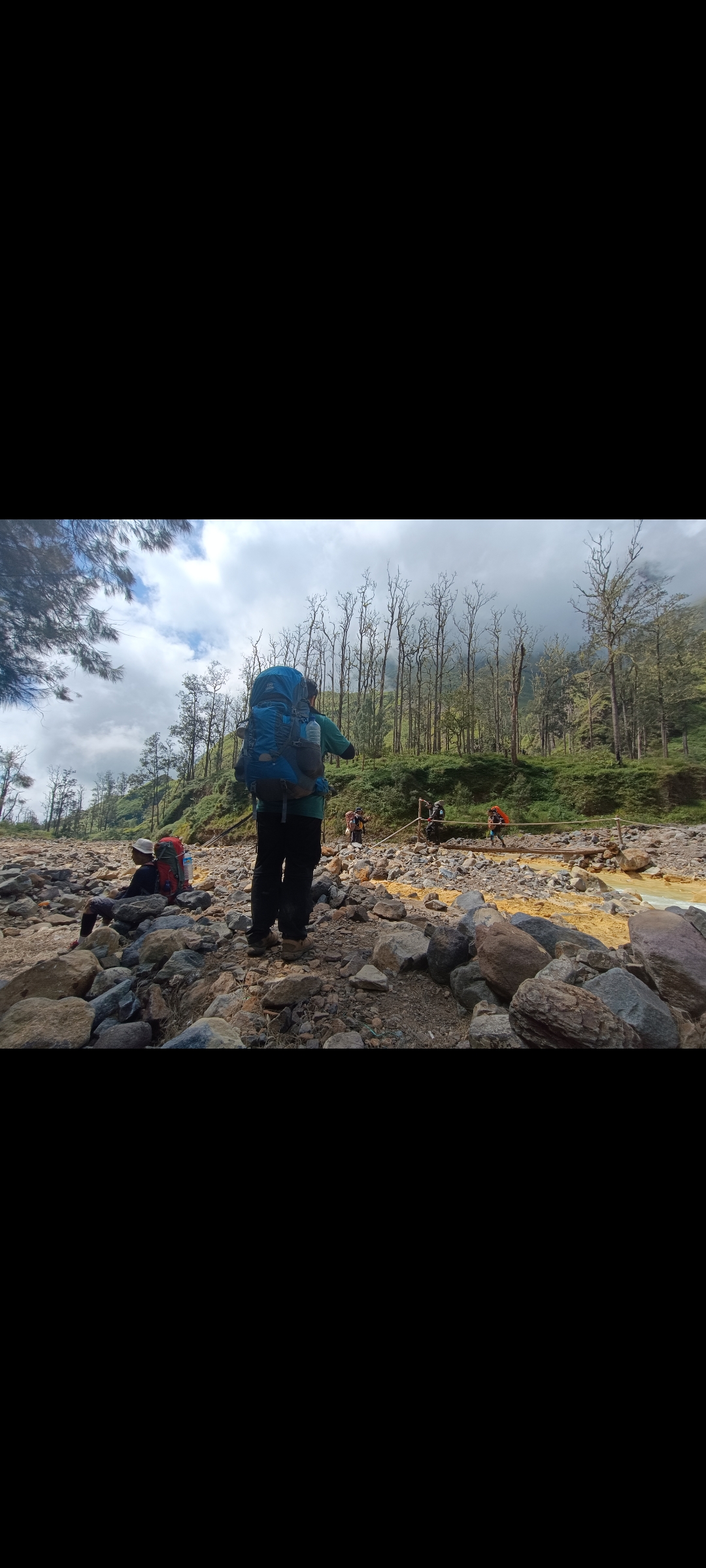
Mount Rinjani, an active volcano on the Indonesian island of Lombok, is a trekking paradise that draws adventurers from across the globe. Towering at 3,726 meters (12,224 feet), it's the second-highest volcano in Indonesia and offers some of the most breathtaking views imaginable. If you're dreaming of an unforgettable challenge and unparalleled natural beauty in 2026, then trekking Mount Rinjani should be at the top of your bucket list. This comprehensive guide will equip you with everything you need to plan and conquer this majestic peak.
From its iconic turquoise crater lake, Segara Anak, to the challenging summit push at sunrise, Rinjani promises an experience that will test your limits and reward you with memories to last a lifetime. But preparing for such an expedition requires careful planning and the right information. Let's dive into the ultimate guide for your 2026 Mount Rinjani adventure.
Why Trek Mount Rinjani in 2026?
Beyond the sheer physical challenge, Mount Rinjani offers a multi-faceted experience that sets it apart from other treks.
A Natural Wonder Awaiting
Mount Rinjani is the centerpiece of Gunung Rinjani National Park, a protected area renowned for its biodiversity and stunning landscapes. The trek takes you through diverse ecosystems, from lush tropical forests teeming with wildlife (including the elusive black monkeys) to barren volcanic scree slopes. The highlight for many is Segara Anak, the massive caldera lake, which holds significant spiritual importance for the local Sasak people and Balinese Hindus. Within this lake, a new cone, Barujari, actively emits smoke, adding to the dramatic scenery.
The Challenge and Reward
While undoubtedly challenging, the rewards of trekking Rinjani are immense. Reaching the summit at sunrise, gazing down at the clouds, the crater lake, and the surrounding islands (Bali and Sumbawa on clear days) is an experience of pure exhilaration. The sense of accomplishment, coupled with the camaraderie forged with fellow trekkers and your local guides and porters, makes every step worth it.
Choosing Your Rinjani Trek Route & Duration
There are two primary official entry points for trekking Mount Rinjani, each offering different experiences and durations. All treks require a licensed guide and porters, as independent trekking is not permitted by the national park authorities.
The Classic Sembalun Route (Summit Push)
The Scenic Senaru Route (Crater Rim)
Multi-Day Options Explained
Essential Planning for Your 2026 Rinjani Adventure
Proper planning is paramount for a safe and enjoyable trek. Here’s what you need to consider:
Permits and Regulations
As of 2026, all trekkers must register and obtain permits through an authorized tour operator. The Mount Rinjani National Park has strict regulations to protect the environment and ensure trekkers' safety. The current national park entrance fee for foreigners is approximately IDR 150,000 per day (weekdays) and IDR 225,000 per day (weekends), though these fees are subject to change. Your tour operator will handle all permit arrangements.
Best Time to Trek Mount Rinjani
The dry season is the ideal time to trek Rinjani, offering clearer skies and safer trail conditions. The official trekking season typically runs from April to November. The peak months are July, August, and September, which can be crowded. If you prefer fewer people, consider trekking in April, May, October, or November.
The park is usually closed during the wet season (December to March) due to heavy rains, landslides, and unsafe conditions. Always check the official Gunung Rinjani National Park website or consult your tour operator for the latest opening status.
Choosing a Responsible Tour Operator
This is perhaps the most critical decision. A good tour operator will provide experienced guides and porters, quality equipment, nutritious food, and prioritize safety and environmental responsibility. Look for operators who:
Do your research, read reviews, and don't just choose the cheapest option. Your safety and the sustainability of the mountain depend on it.
Physical Preparation & Training
Mount Rinjani is a challenging trek, especially the summit push, which involves steep inclines over loose volcanic scree. It requires a good level of physical fitness. We recommend:
What to Pack: Your Rinjani Gear Checklist
While your tour operator will provide group gear (tents, cooking equipment, food), you are responsible for your personal items. Here’s an expert-recommended packing list:
Essential Personal Gear
Group Gear (Provided by Operator)
Navigating the Trek: What to Expect
A typical Rinjani trek involves challenging ascents, stunning vistas, and evenings spent under a blanket of stars.
Daily Routine & Campsites
Days usually start early with a hearty breakfast. You'll hike for several hours, with breaks for lunch and snacks. Campsites are strategically located at the crater rim or near the lake, offering incredible views. Porters will set up tents, prepare meals, and boil water for drinks. Evenings are spent sharing stories, enjoying the sunset, and preparing for the next day's adventure.
Summit Push Strategy
For those attempting the summit, the final ascent typically begins around 2-3 AM. This allows trekkers to reach the peak for sunrise. The climb is extremely challenging, often in cold, windy conditions, over loose volcanic scree. Take it slow, follow your guide's instructions, and focus on one step at a time. The reward at the top is absolutely worth the effort.
Hydration and Nutrition
Staying hydrated is critical. Drink plenty of water throughout the day, even if you don't feel thirsty. Your guides will ensure you have access to clean drinking water. Your tour operator will provide three meals a day, plus snacks. Don't be afraid to ask for more if you're still hungry; you'll be burning a lot of calories.
Safety and Sustainability on Rinjani
Your well-being and the preservation of Rinjani are paramount.
Staying Safe on the Mountain