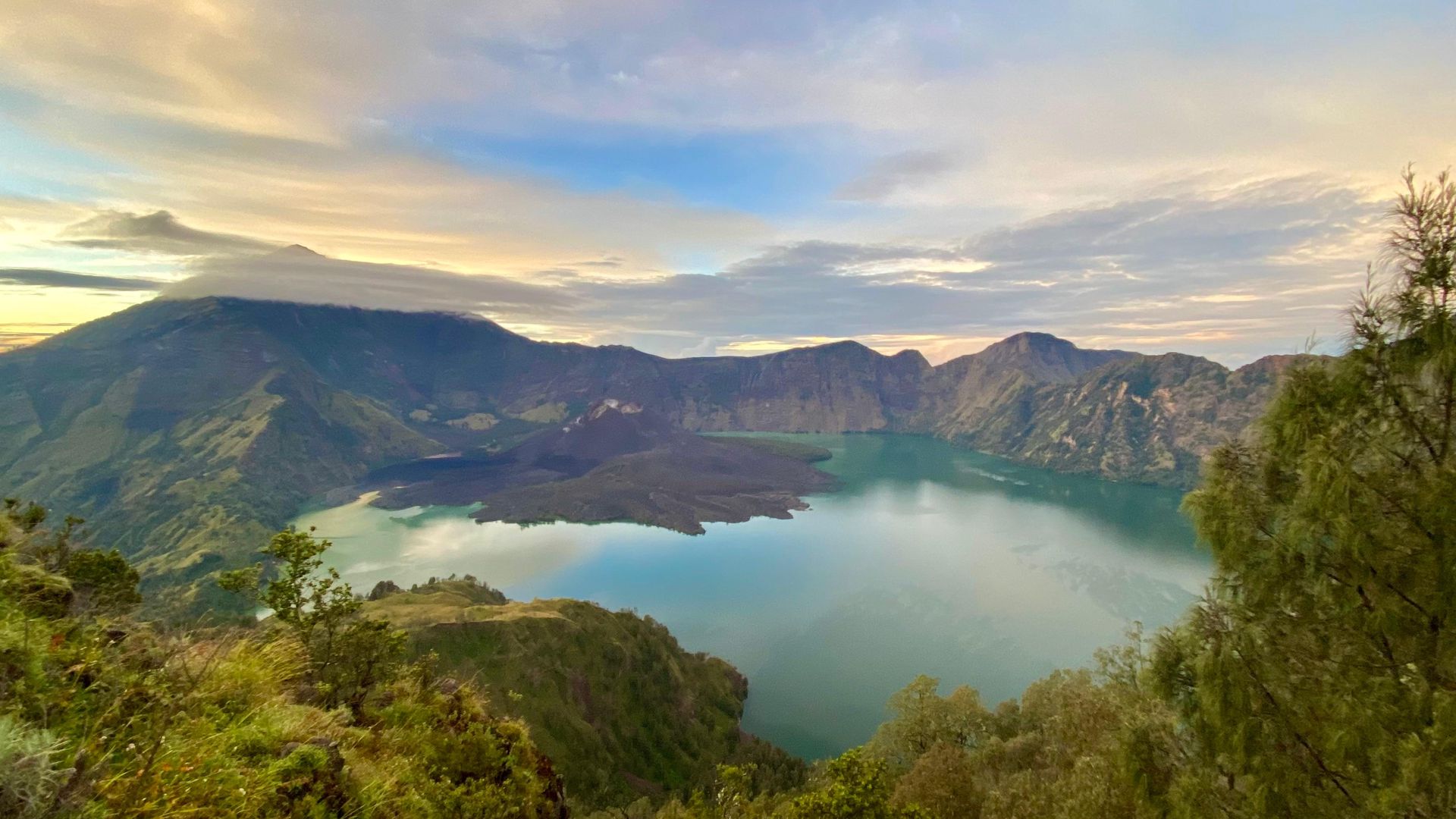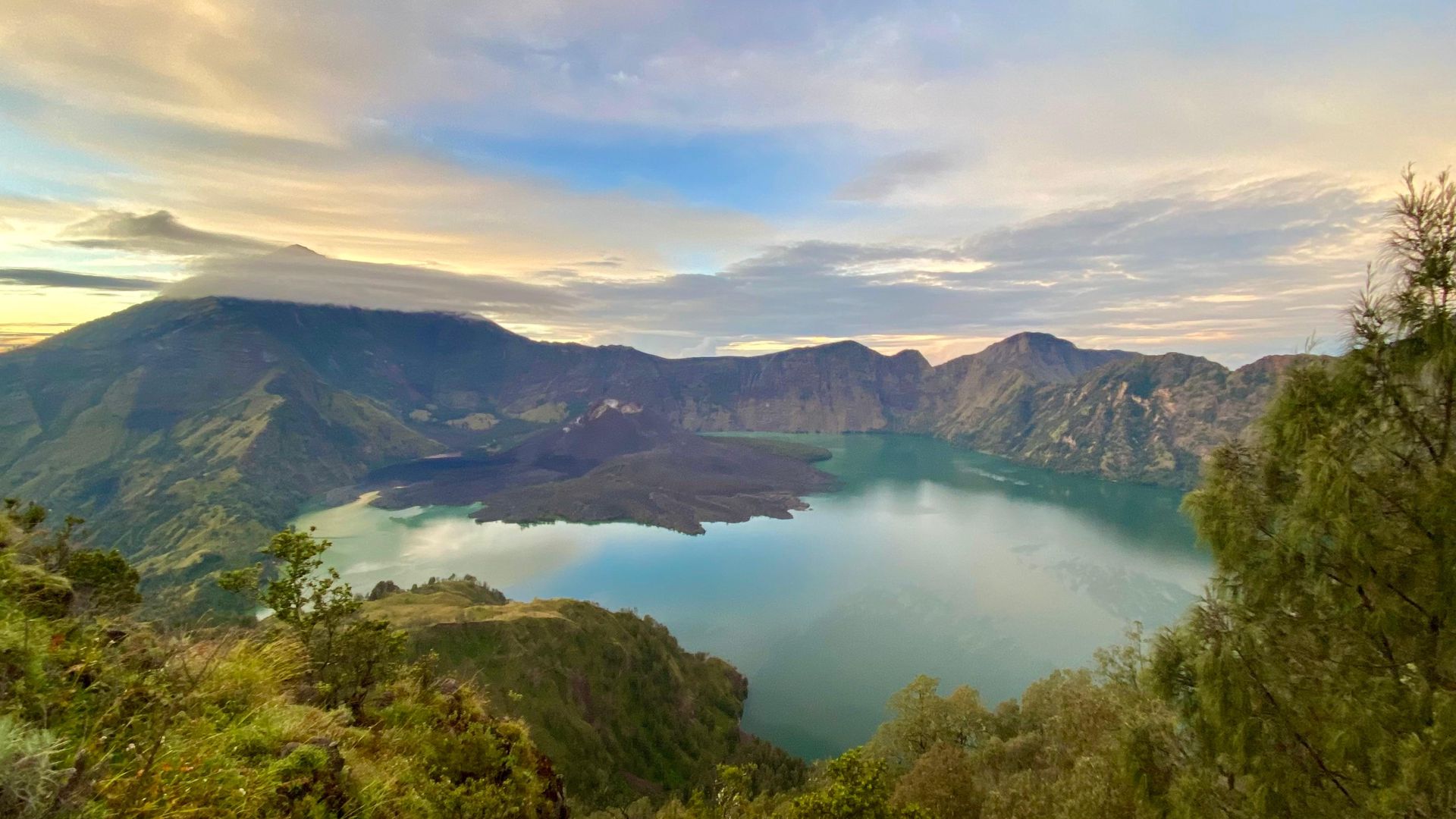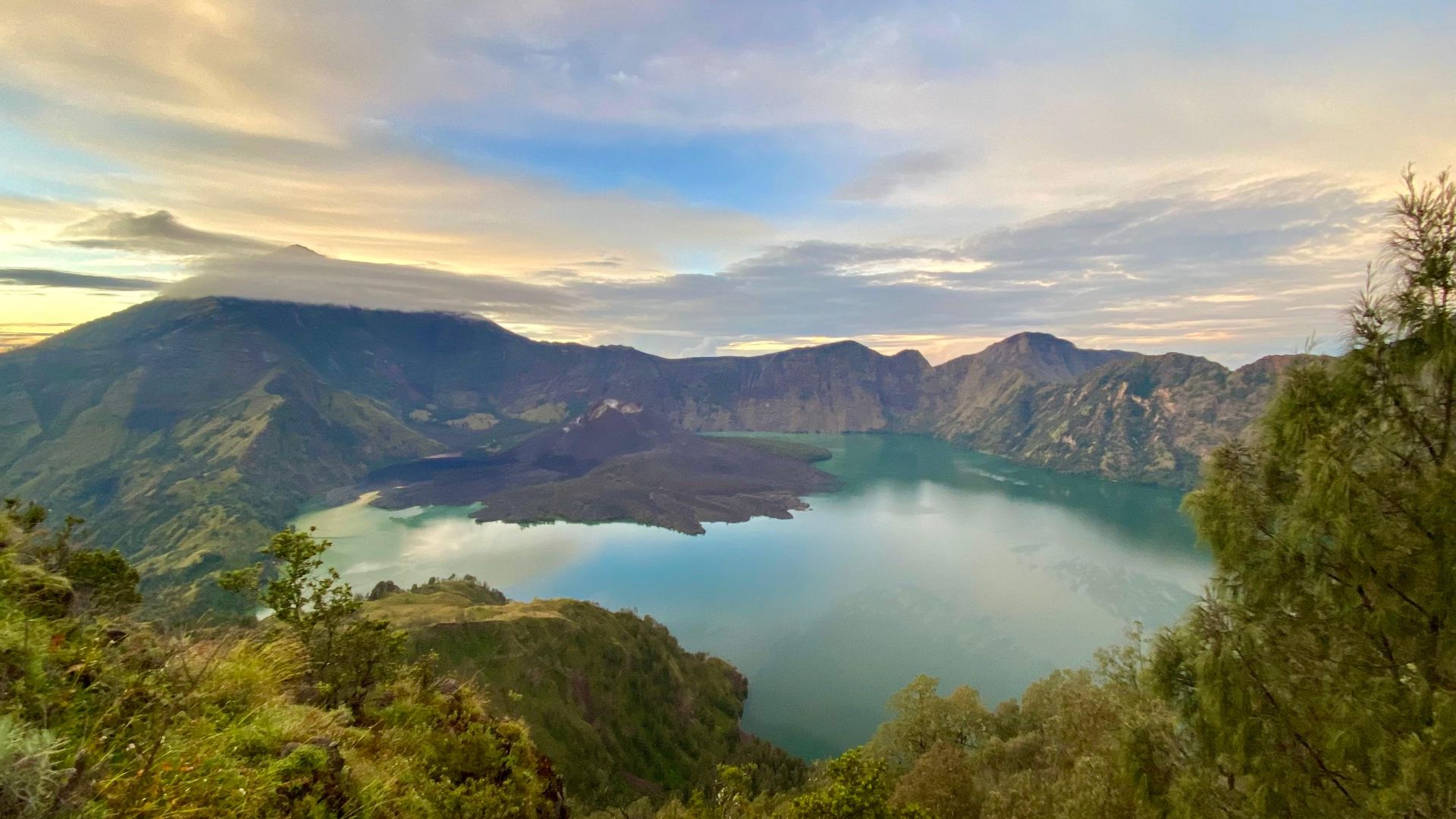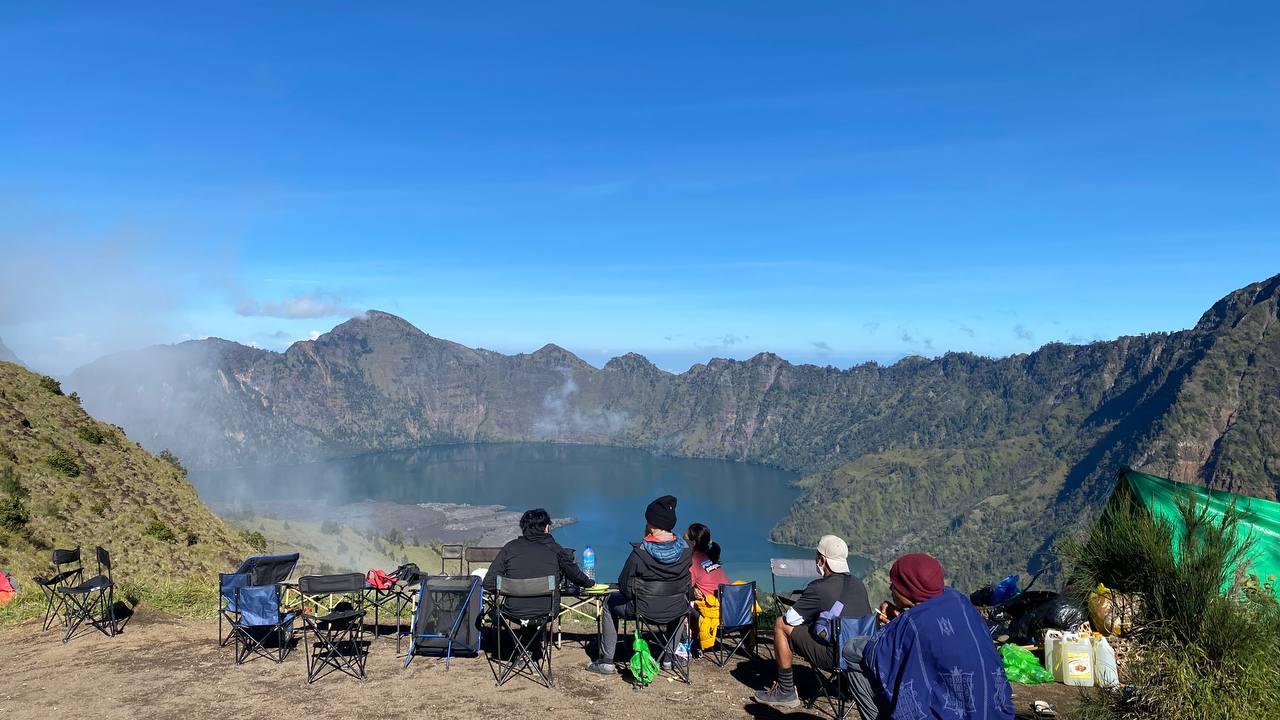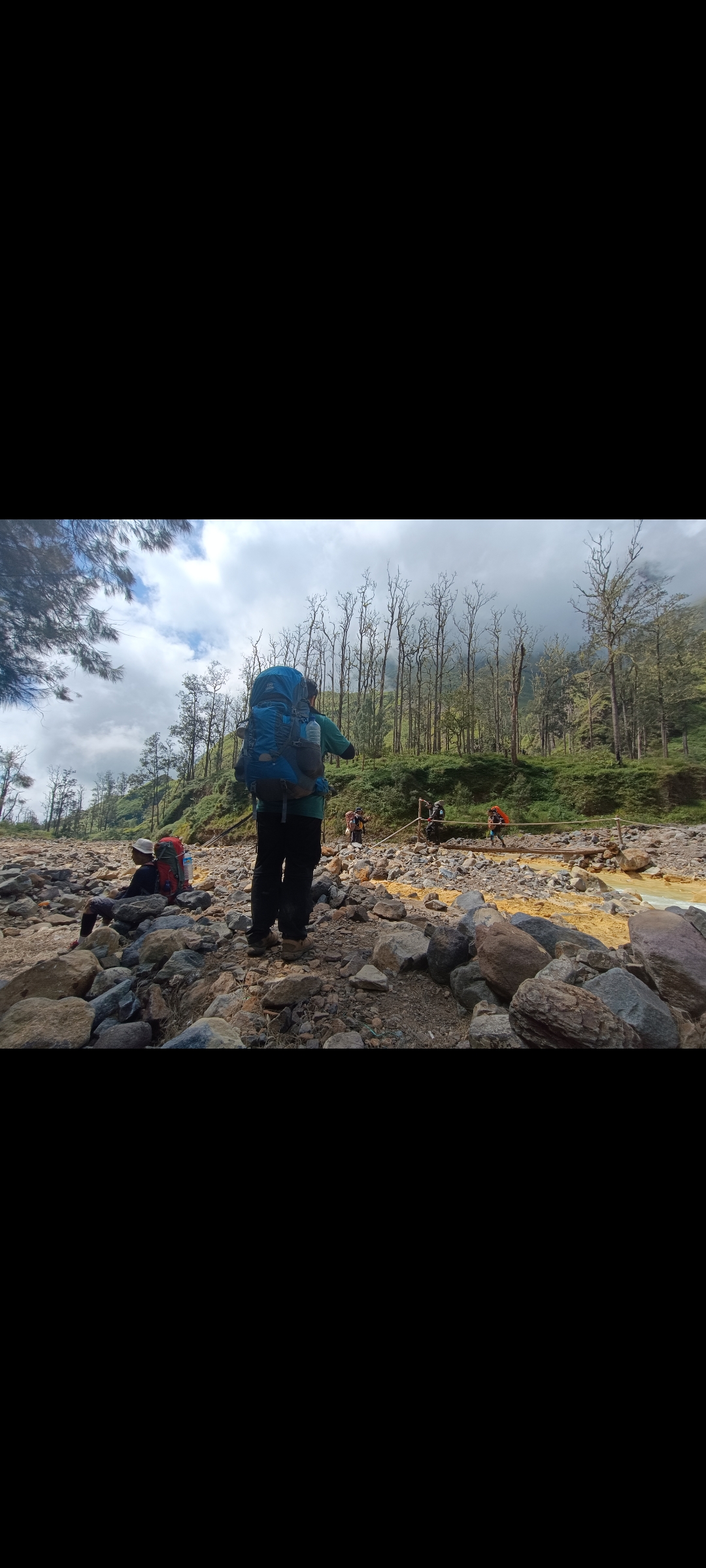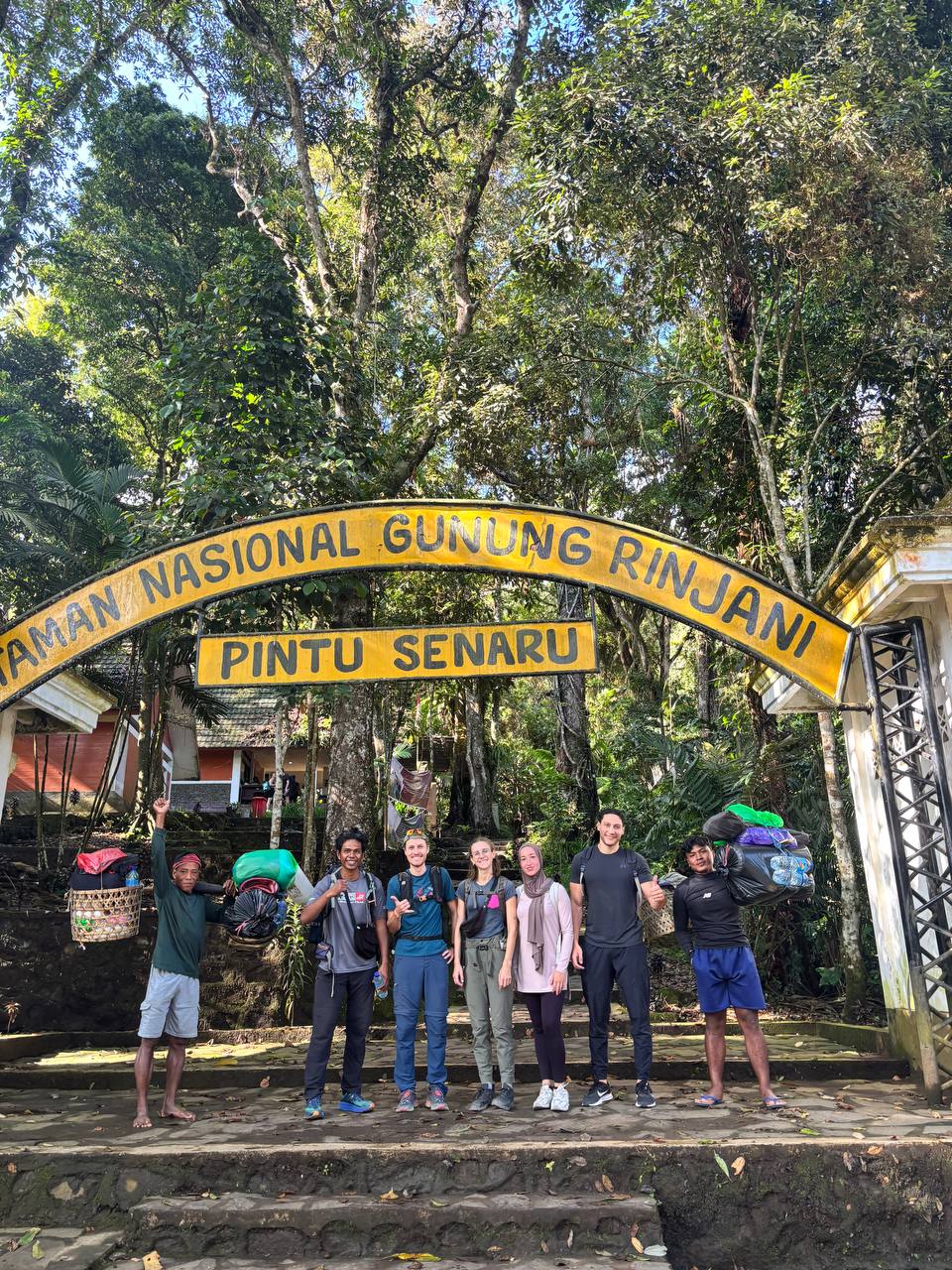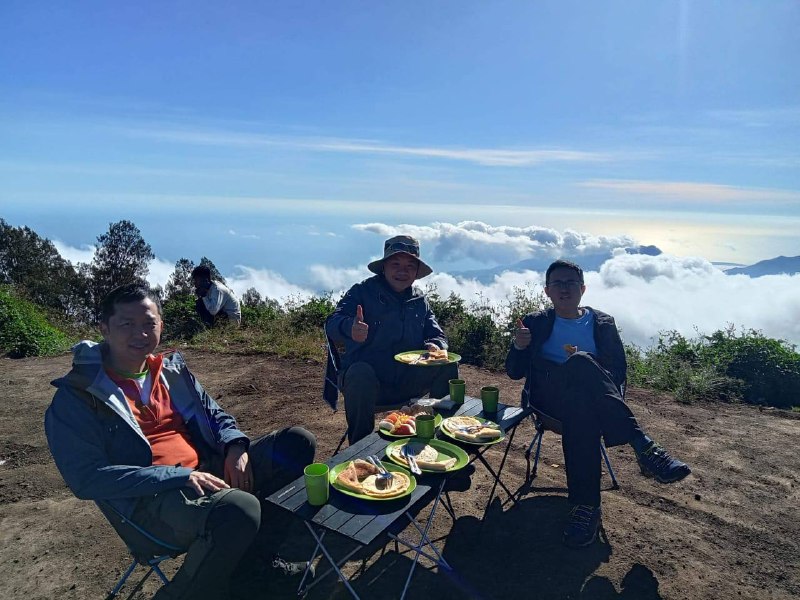
Dreaming of conquering the majestic Mount Rinjani, Indonesia's second-highest volcano, standing tall at 3,726 meters (12,224 feet)? Its breathtaking crater lake, Segara Anak, and panoramic sunrise views are an undeniable draw for adventurers worldwide. However, before you pack your bags and book your flights to Lombok, there's a crucial first step: understanding the Mount Rinjani permits and regulations. This isn't just bureaucracy; it's the gateway to a safe, legal, and environmentally responsible trekking experience.
This comprehensive guide will equip you with everything you need to know about securing your Rinjani permit, navigating the official rules, and ensuring your adventure on this sacred mountain is seamless and unforgettable. Prepare to trek with confidence!
Why Mount Rinjani Permits Matter
The permit system for Mount Rinjani, managed by the Gunung Rinjani National Park (GRNP) authority, is more than just an entry ticket. It serves several vital purposes:
Official Rinjani Permit Requirements
Securing your permit is non-negotiable. Here's a breakdown of what you need to know:
Who Needs a Permit?
Every single individual entering the Gunung Rinjani National Park for trekking purposes, regardless of nationality or trek duration (typically 2-4 days), must possess a valid permit. There are no exceptions for day hikes or specific routes; if you are on the mountain trails within the park boundaries, you need a permit.
Required Documentation
When booking your trek, whether through an operator or directly via the official system, you will need to provide:
It's crucial that the information provided matches your identification, as park rangers conduct checks at various checkpoints.
Permit Fees
The official permit fees are set by the Indonesian government and vary for domestic and international visitors. As of recent updates, international trekkers typically pay a higher fee. These fees are subject to change, so it's always best to check the latest information or confirm with your tour operator.
Expert Tip: When booking a Rinjani trekking package with a licensed tour operator, the permit fees are almost always included in the overall price. This simplifies the process for you, as the operator handles the payment and registration.
How to Secure Your Rinjani Permit
The permit acquisition process is streamlined but requires adherence to official channels.
Booking Through Licensed Tour Operators (Recommended)
This is by far the most common and highly recommended method for securing your Rinjani permit. Licensed tour operators:
Choosing a reputable operator ensures not only your permit but also a well-organized and safe trekking experience.
Can You Book Independently?
While technically possible to book permits directly through the official eRinjani online system, it is important to understand the significant limitations:
For these reasons, independent booking is generally discouraged for foreign tourists and those unfamiliar with the local logistics. Tour operators provide a vital service in bundling these requirements.
Online Booking System (eRinjani)
The official eRinjani system is the digital platform used by GRNP to manage permits. All bookings, whether direct or through operators, are processed via this system. It records:
Each permit has a unique QR code for verification at checkpoints. While you might not directly interact with the eRinjani platform if booking through an operator, it's the backend system that validates your entry.
Key Rinjani Regulations & Rules
Beyond the permit itself, understanding and adhering to the park's regulations is crucial for a responsible and enjoyable trek.
Trekking Routes & Zones
Rinjani offers several official trekking routes, each with specific regulations and access points:
The GRNP specifies which zones are accessible to trekkers. Always stick to marked trails and designated camping areas. Venturing off-trail is prohibited for safety and conservation reasons.
Group Size & Guides
As mentioned, it is mandatory for all trekking groups to be accompanied by a licensed Rinjani guide and sufficient porters. The guide-to-trekker ratio and porter requirements are determined by the GRNP to ensure safety and proper load distribution.
Environmental Regulations (Leave No Trace)
Mount Rinjani National Park strictly enforces "Leave No Trace" principles:
Safety Protocols
Seasonal Closures
Mount Rinjani National Park typically closes for trekking during the peak rainy season, usually from January to March. This closure is for safety reasons due to heavy rainfall, increased risk of landslides, and challenging trail conditions. Always check the official GRNP announcements or confirm with your tour operator for the exact opening and closing dates, as these can vary slightly year to year.
Best Months to Trek: The dry season, from April to November, offers the most favorable weather conditions for trekking, with clearer skies and less rain.
Expert Tips for a Smooth Permit Process
To ensure your Rinjani adventure starts without a hitch, consider these expert recommendations:
What Happens If You Don't Have a Permit?
Attempting to trek Mount Rinjani without a valid permit is illegal and highly discouraged. Park rangers conduct regular checks at entry gates and along the trails. If caught without a permit, you will be denied entry, fined, and potentially face legal consequences. Furthermore, you put yourself and the park's resources at risk by not being officially accounted for in case of an emergency.
Conquer Rinjani Responsibly
Understanding and adhering to Mount Rinjani's permit and regulation system is not merely a formality; it's a commitment to responsible tourism, environmental conservation, and your own safety. By choosing a licensed operator and respecting the park's rules, you contribute to the sustainability of this incredible natural wonder for future generations.
Ready to embark on an unforgettable journey to the summit of Mount Rinjani? Ensure your permit is in order, prepare for the adventure of a lifetime, and experience the unparalleled beauty of Lombok's crown jewel. Start planning your compliant and responsible trek today!